

-2(1).png)
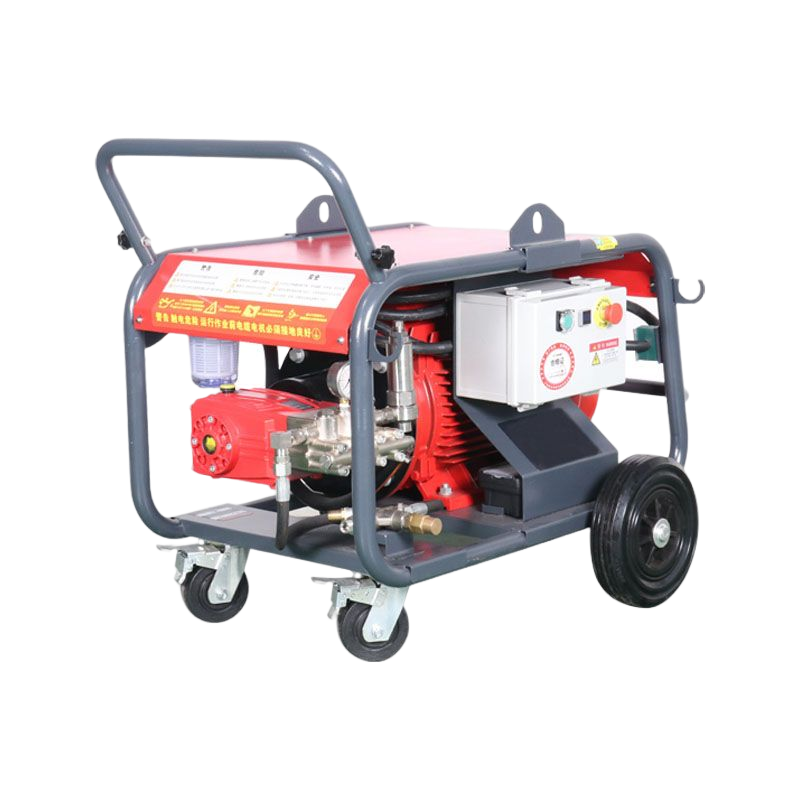
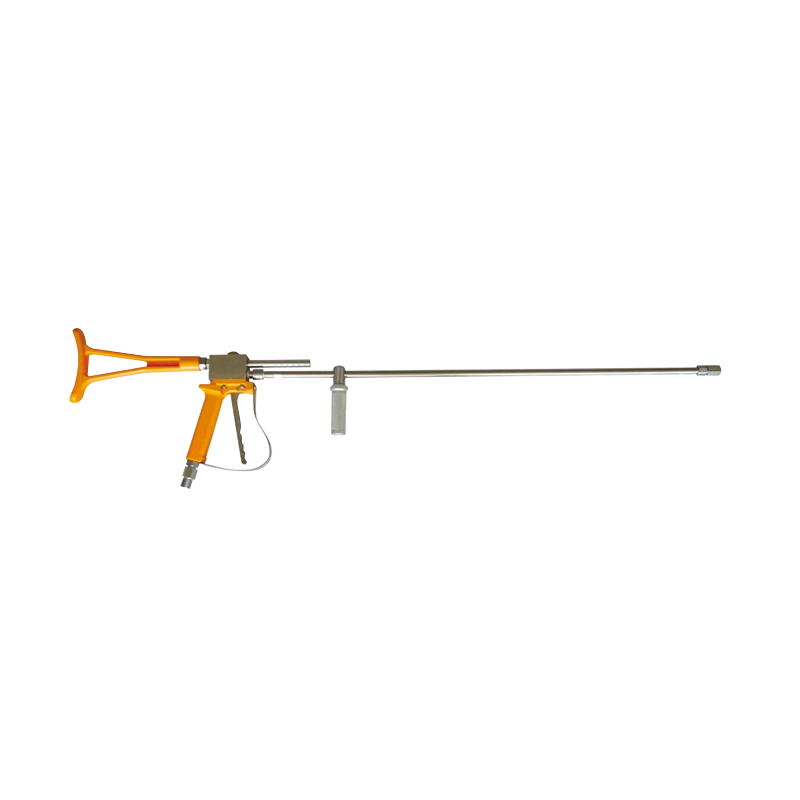
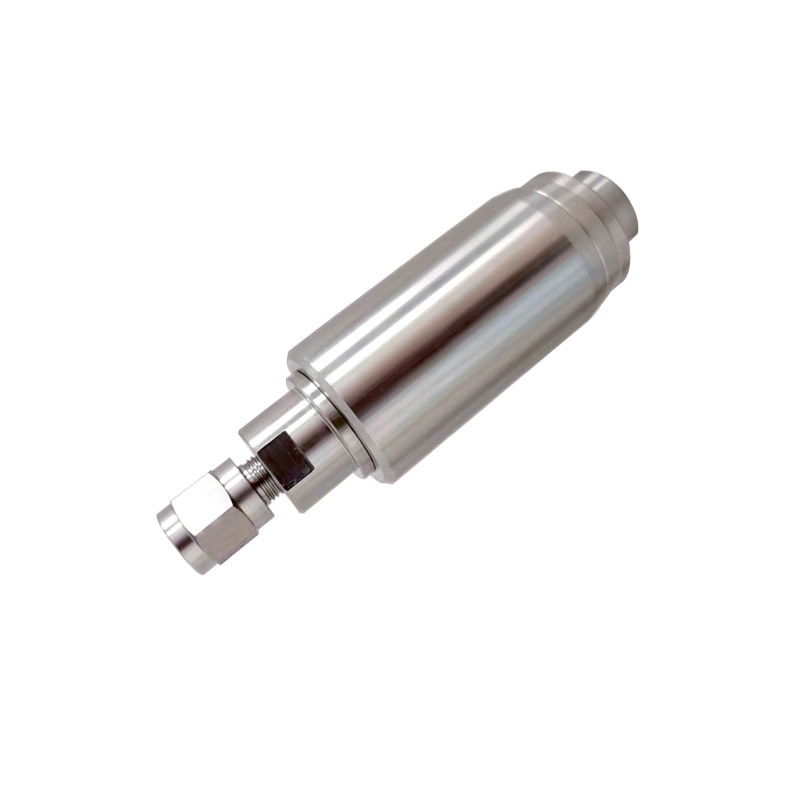

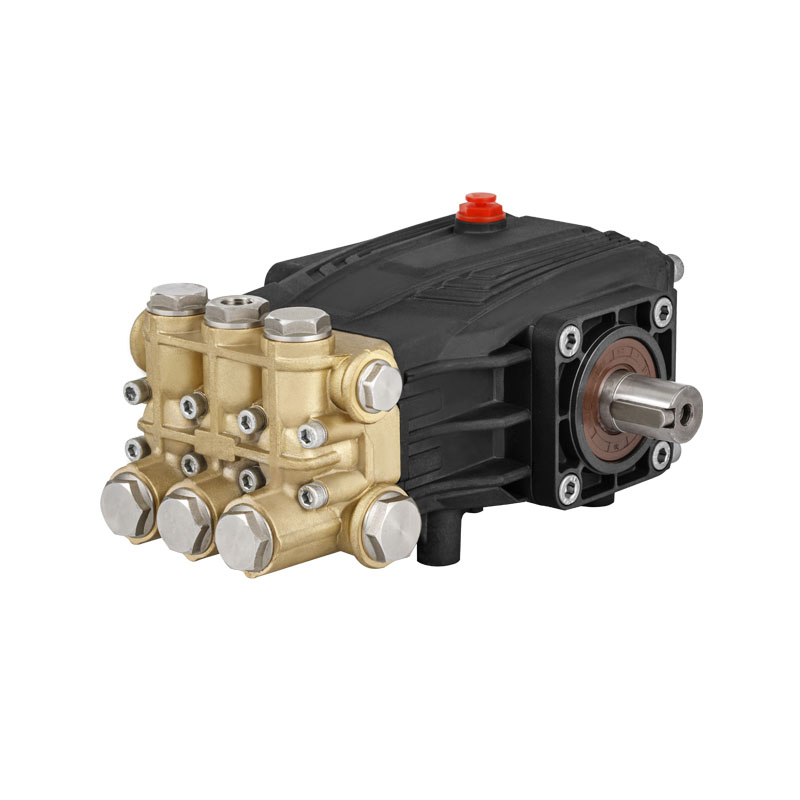
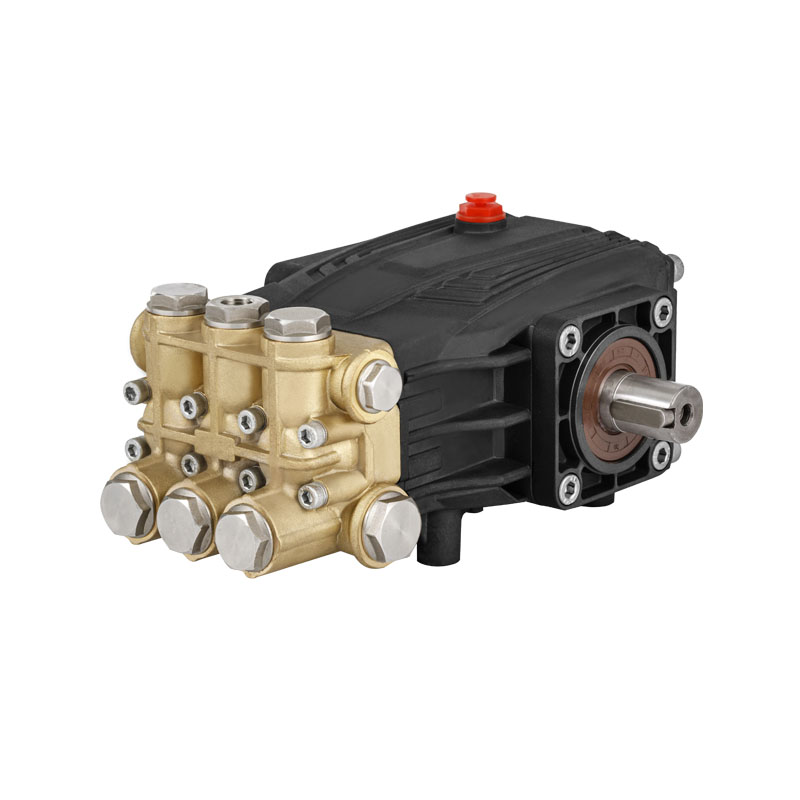
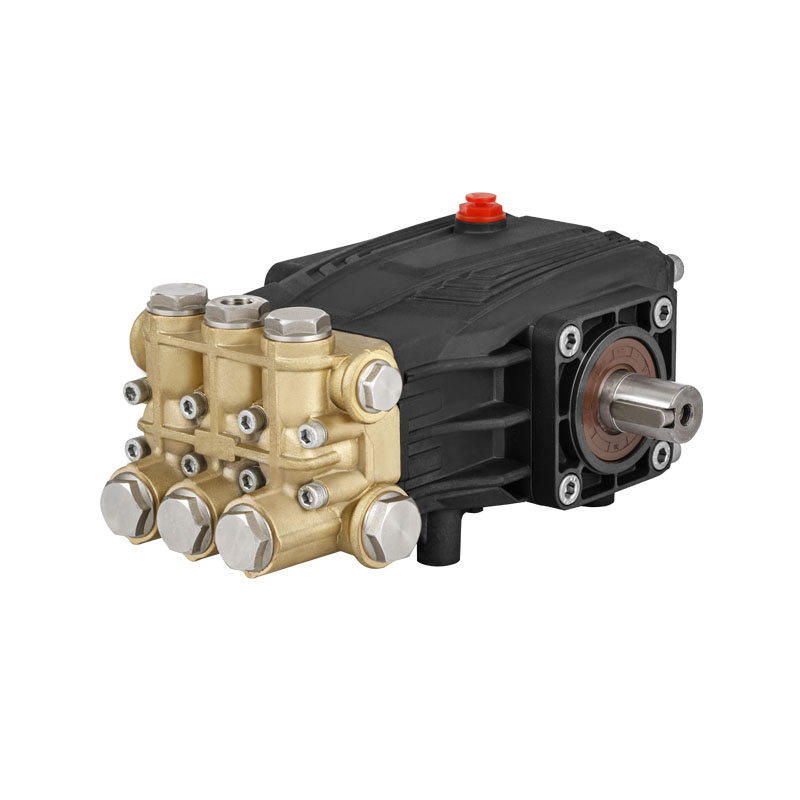
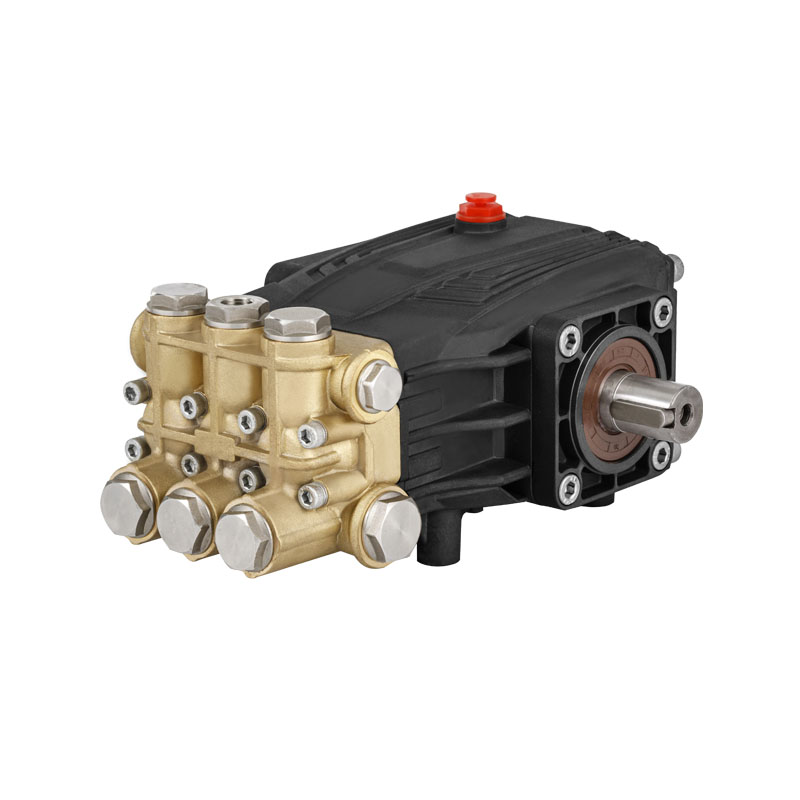
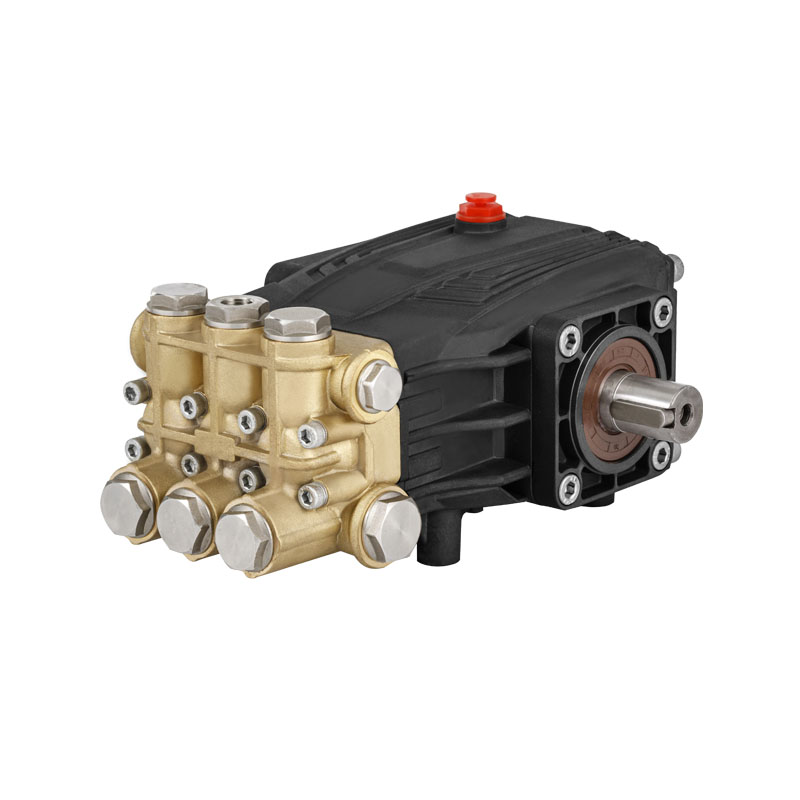
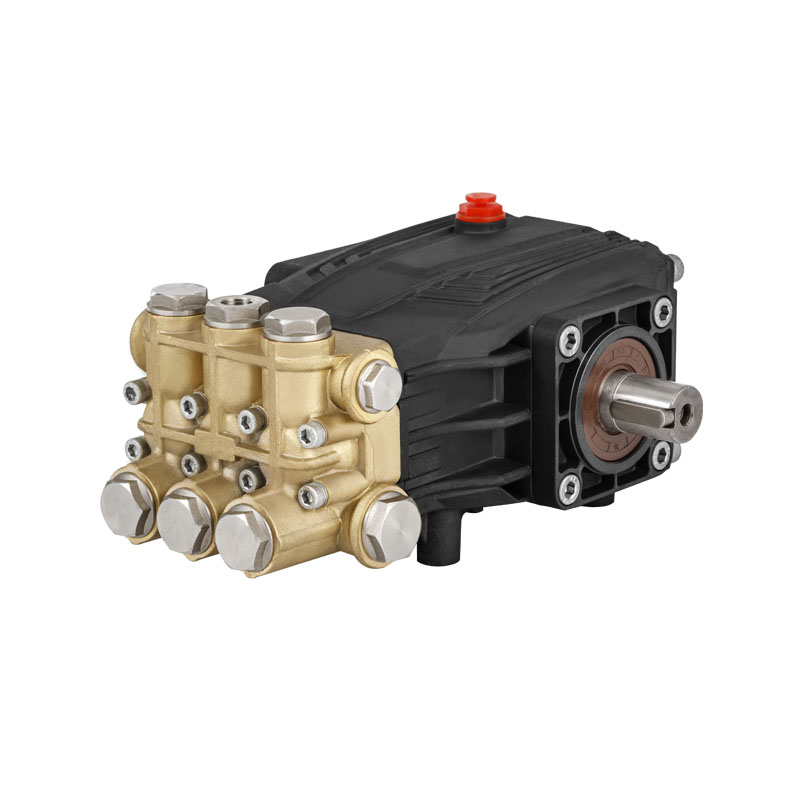
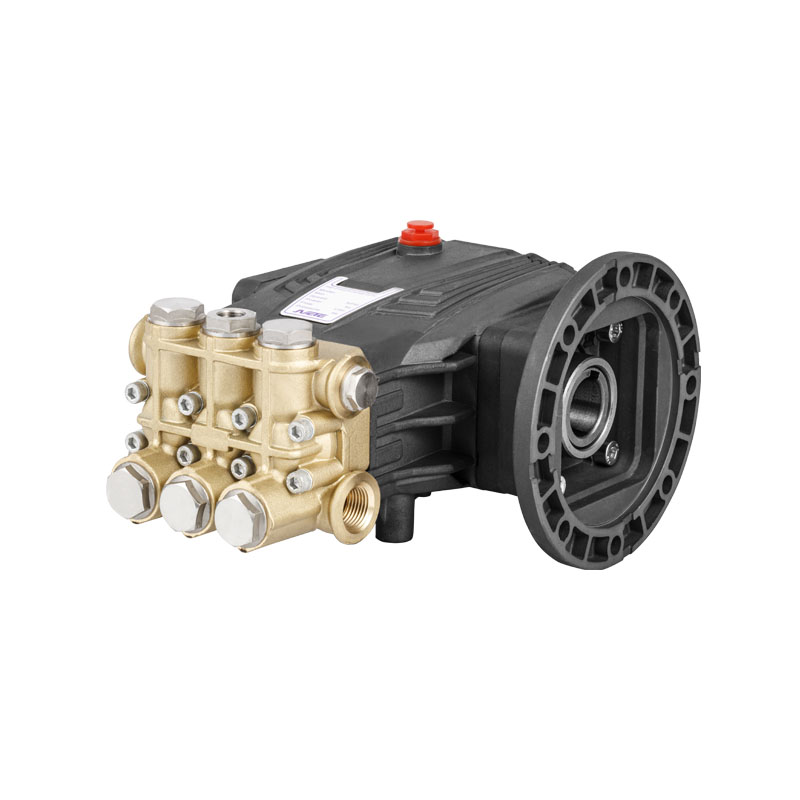
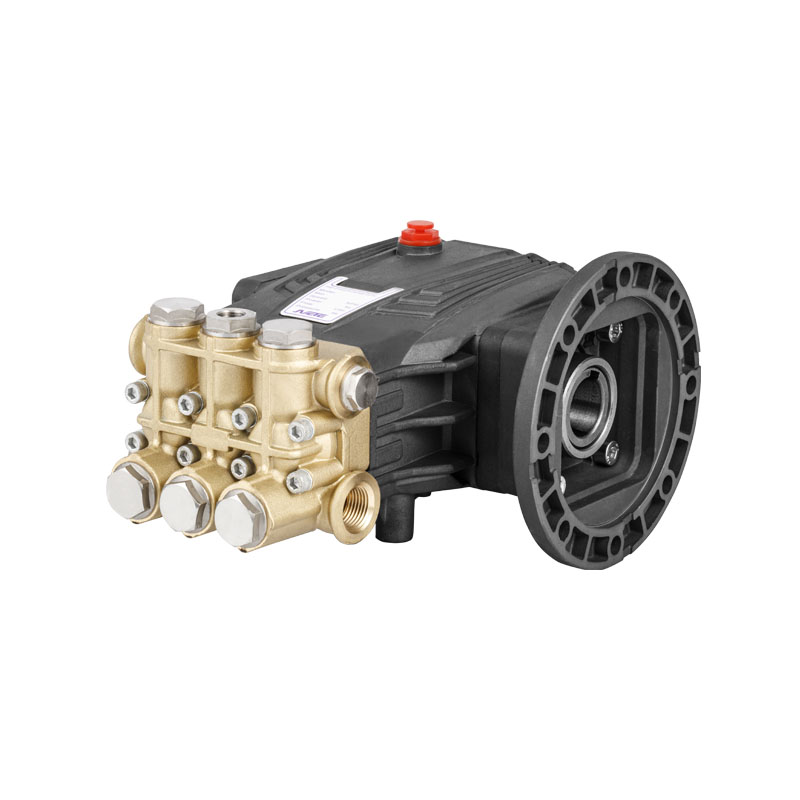
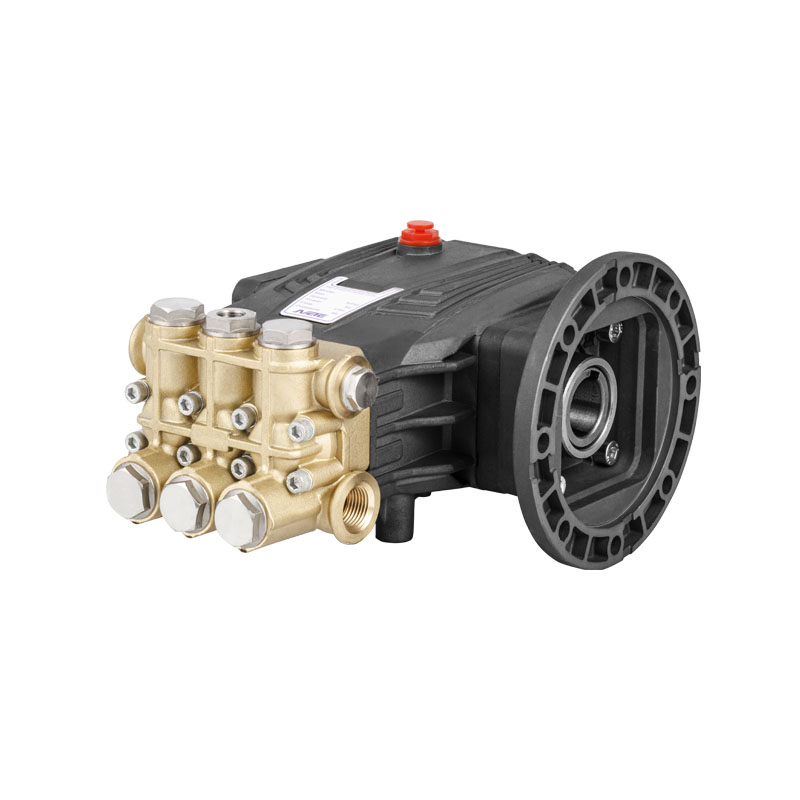
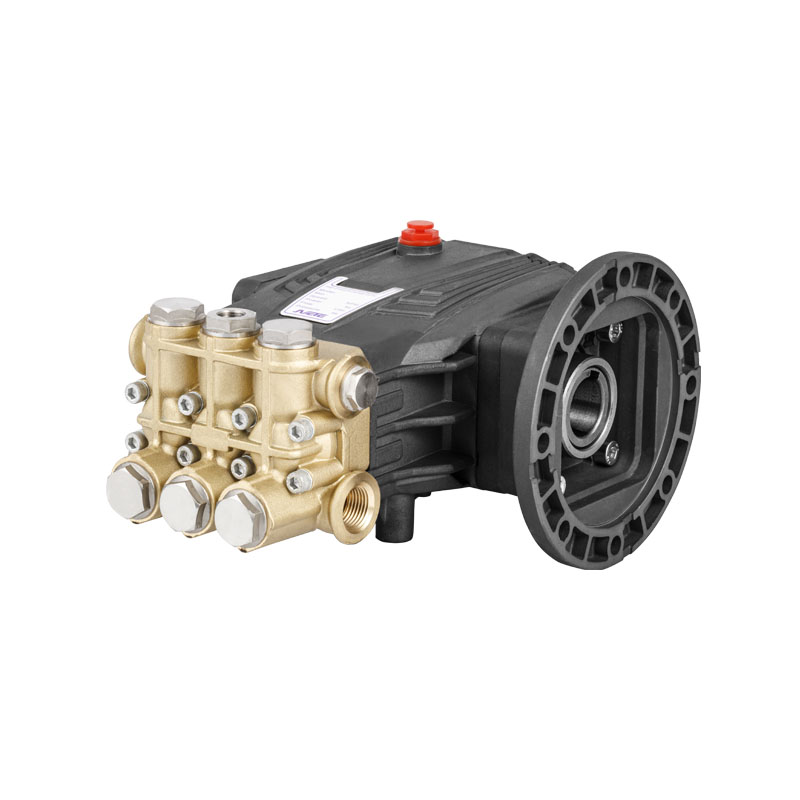
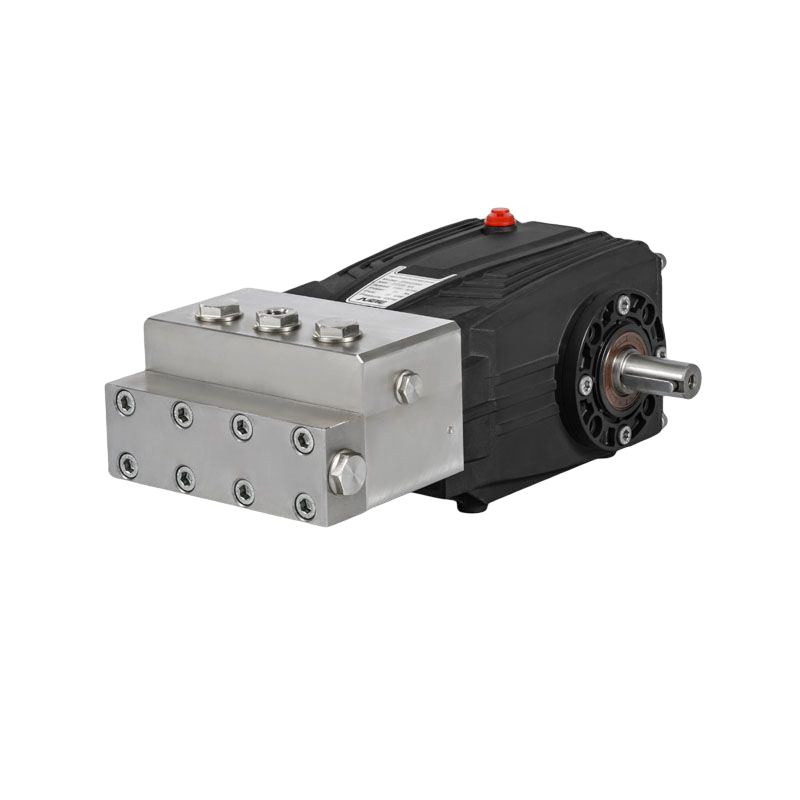
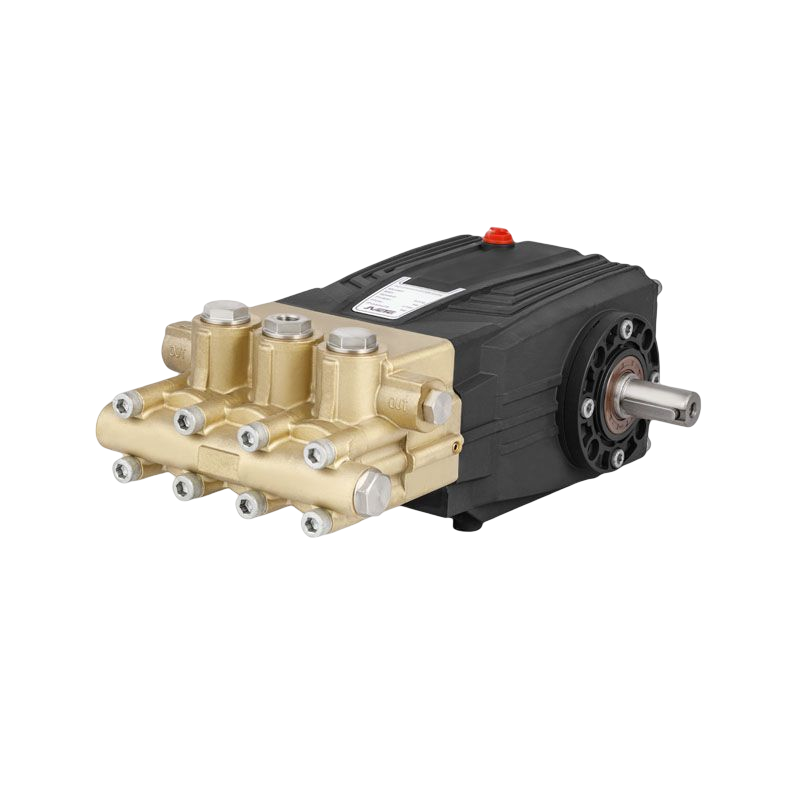
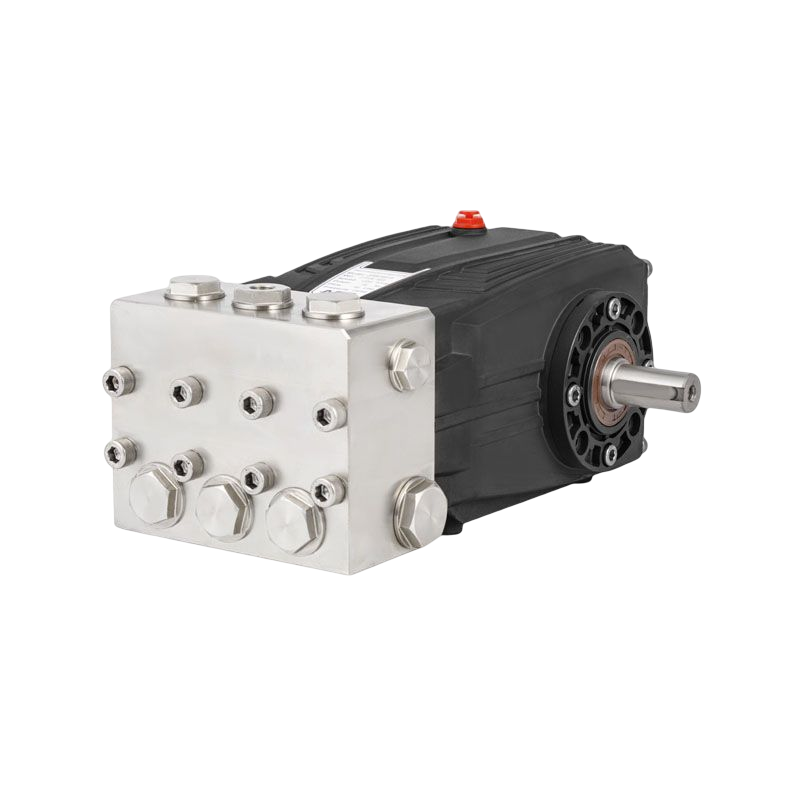
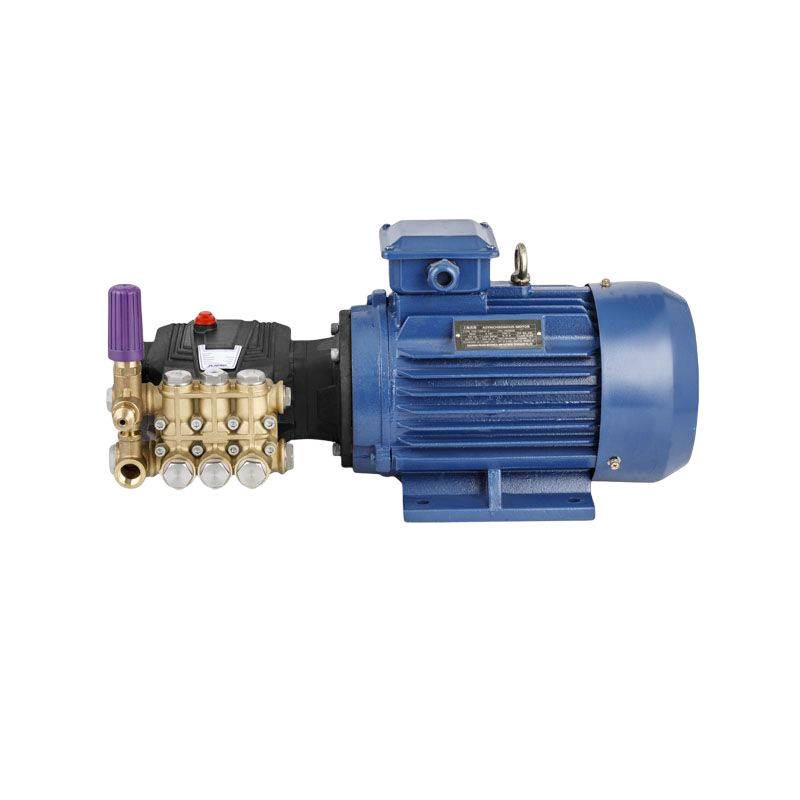
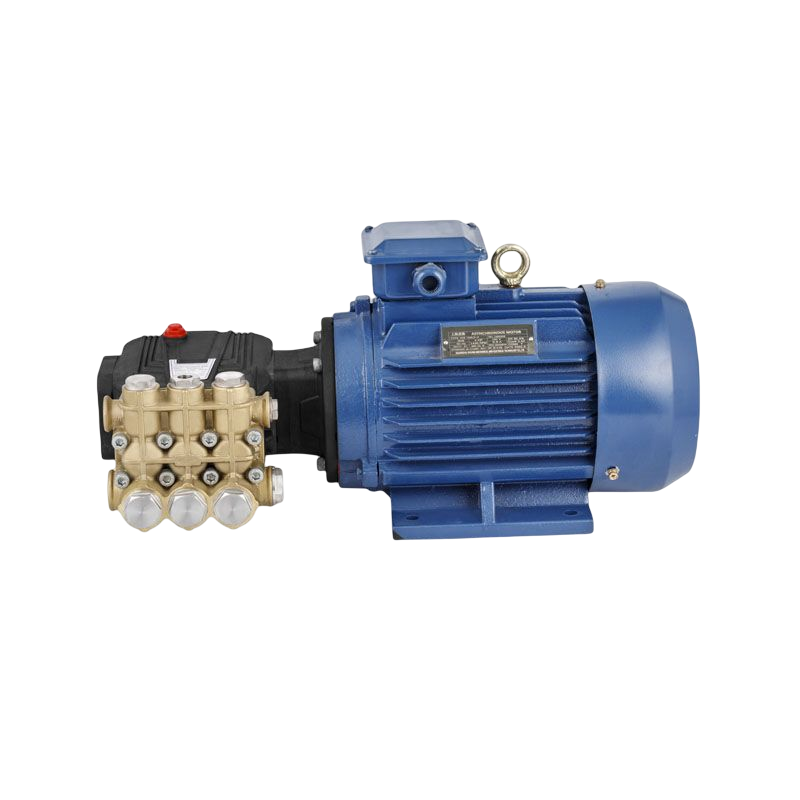
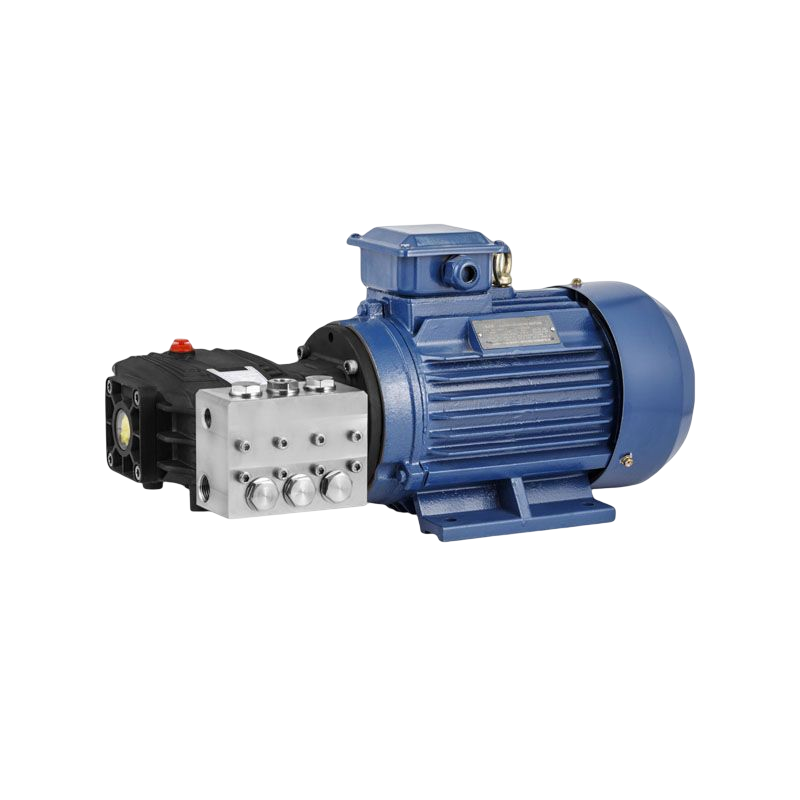
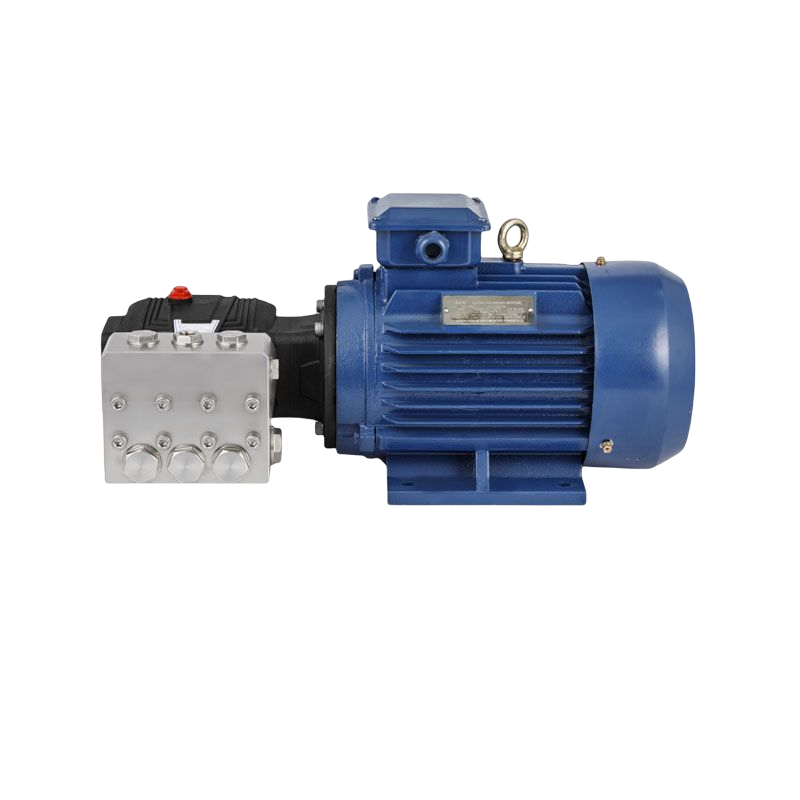
Die Ultrahochdruck-Kolbenpumpe ist ein Gerät, das in industriellen Wasserstrahl- und Schneidsystemen verwendet wird. Eine Ultrahochdruck-Kolbenpumpe wandelt Rotationskraft bei sehr hohen Drücken in hydraulische Energie um. Die Pumpe verwendet einen oder mehrere Kolben, die sich in Zylindern hin und her bewegen. Eine typische Ultrahochdruck-Plungerpumpe arbeitet bei Drücken zwischen 1.000 und 3.000 bar. Mit diesem Druckniveau kann die Pumpe Werkzeuge zum Entfernen von Beton und zum Schneiden von Metall antreiben. Die Ultrahochdruck-Kolbenpumpe findet man in Produktionsanlagen, Werften und Abbruchstellen.
Die construction of an ultra high pressure plunger pump involves specialized materials. The pump body is made from forged steel or stainless steel for strength. Each plunger in an ultra high pressure plunger pump is ground to a precise diameter with a smooth surface. The cylinders contain ceramic or tungsten carbide liners that resist wear at high pressure. High-pressure seals around each plunger prevent leakage from the ultra high pressure plunger pump. The valve system uses balls or poppets made from hard materials like stellite. The crankshaft inside an ultra high pressure plunger pump converts rotary motion to linear motion of the plungers.
Die operating principle of an ultra high pressure plunger pump is positive displacement. As a plunger retracts, the inlet valve opens and fluid fills the cylinder on the pump. When the plunger advances, the ultra high pressure plunger pump closes the inlet valve. The outlet valve then opens as pressure builds inside the cylinder. The fluid is pushed out of the ultra high pressure plunger pump at high pressure through the discharge line. Multiple plungers on the ultra high pressure plunger pump create a steady flow without large pressure pulses. A three-plunger design is common for balancing forces within the ultra high pressure plunger pump.
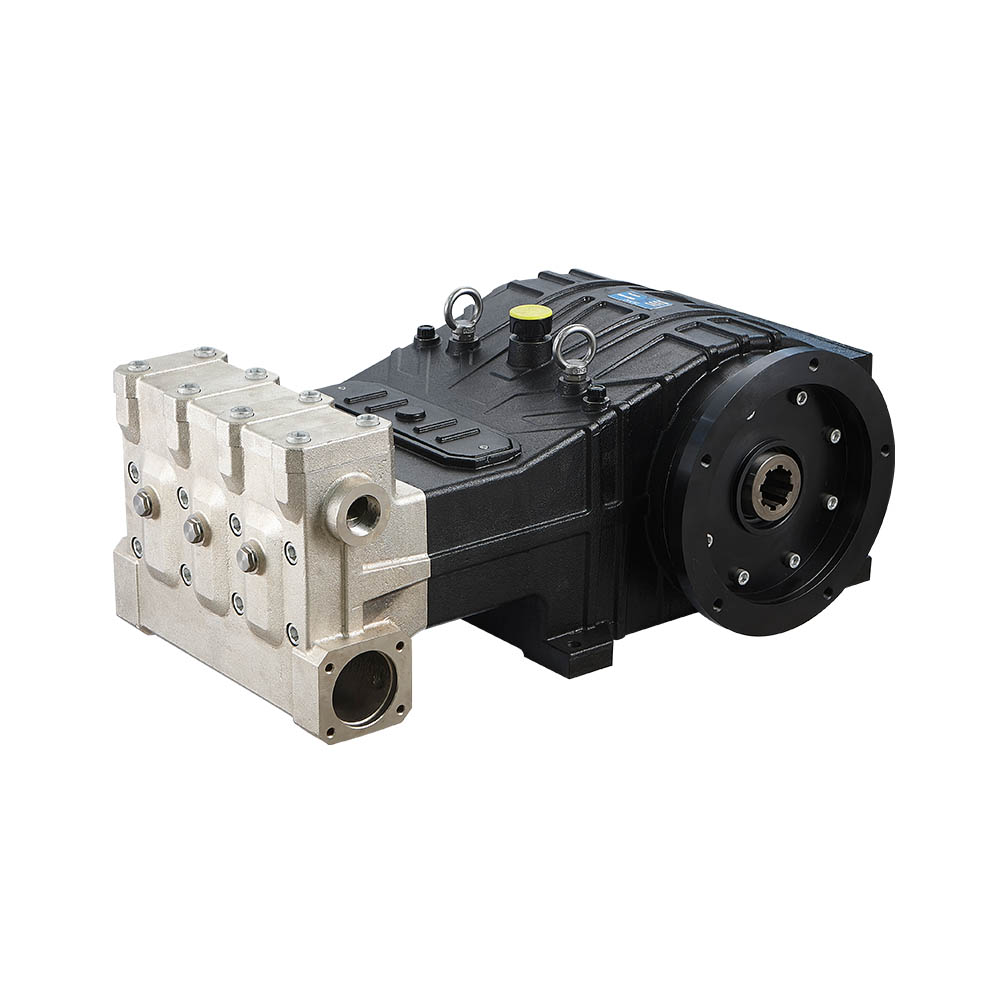
Die pressure generation in an ultra high pressure plunger pump follows a basic formula. The pressure equals the force on the plunger divided by the area of the plunger face. A smaller plunger diameter in an ultra high pressure plunger pump produces higher pressure for the same input force. The flow rate from an ultra high pressure plunger pump is determined by plunger size and stroke length. A typical ultra high pressure plunger pump delivers 10 to 50 liters per minute at big pressure. The power required to drive an ultra high pressure plunger pump is the product of pressure and flow. A 50 kilowatt electric motor is common for a mid-sized ultra high pressure plunger pump.
Die applications for an Ultrahochdruck-Kolbenpumpe Dazu gehört das Wasserstrahlschneiden. Eine Ultrahochdruck-Plungerpumpe versorgt eine Schneiddüse mit Wasser von 3.000 bis 4.000 bar. Die Pumpe treibt auch Wasserabbruchgeräte zum Entfernen von Beton von Brückendecks an. Eine Ultrahochdruck-Plungerpumpe treibt Werkzeuge zur Oberflächenvorbereitung vor Beschichtungsanwendungen an. Die Pumpe wird bei der Reinigung von Öl- und Gasbrunnen eingesetzt, um Kalk und Ablagerungen zu entfernen. Eine Ultrahochdruck-Kolbenpumpe kommt auch in Lebensmittelverarbeitungsanlagen zum Schneiden weicher Produkte zum Einsatz. Die Auswahl der richtigen Ultrahochdruck-Kolbenpumpe hängt vom erforderlichen Druck und Durchfluss für die jeweilige Aufgabe ab. Die Ultrahochdruck-Kolbenpumpe ist nach wie vor eine zuverlässige Quelle intensiver hydraulischer Leistung für anspruchsvolle Industrieaufgaben.